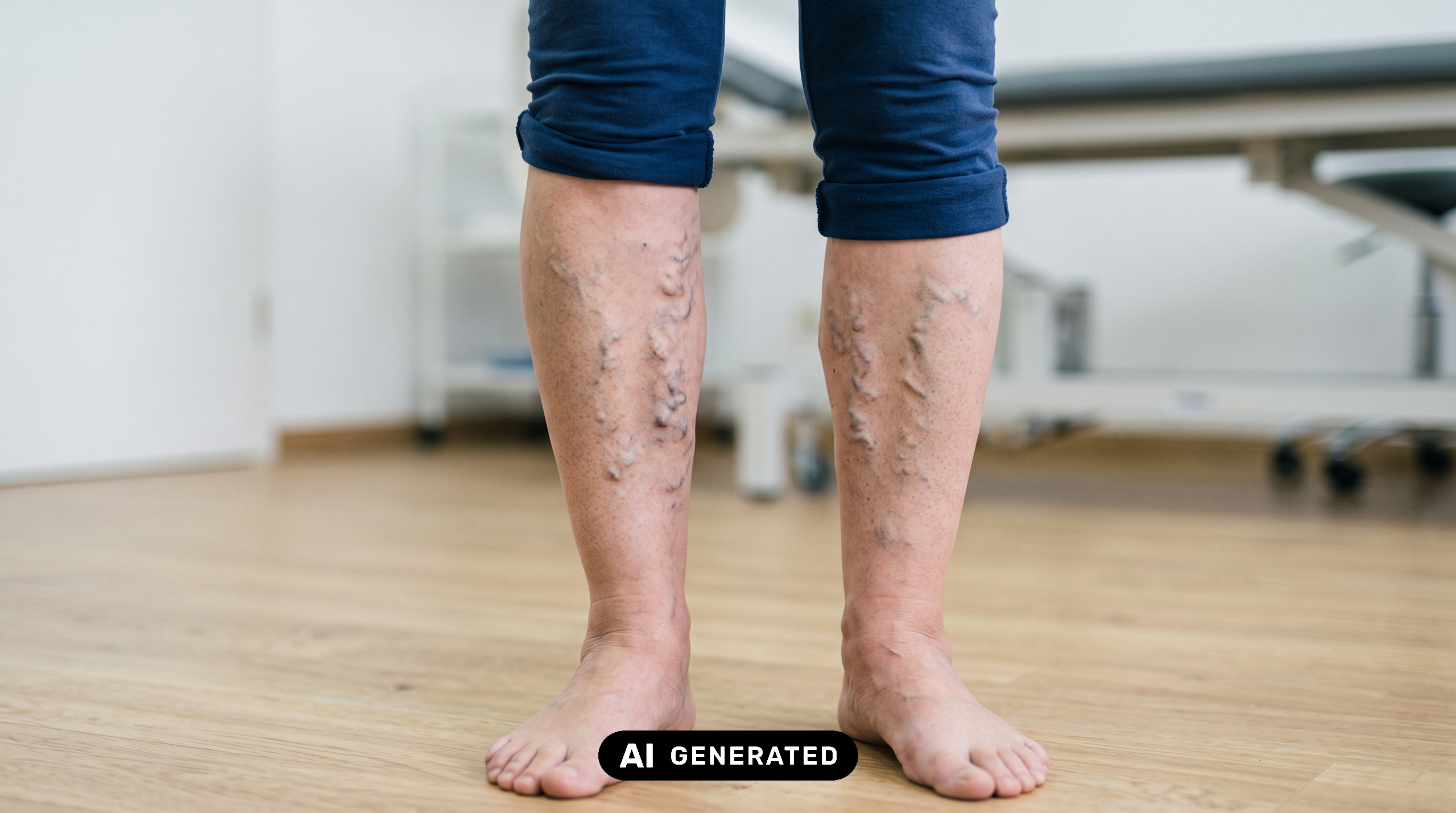
What causes leg vessels?
Predisposing factors for superficial leg vessels include, among others, hereditary factors and ageing.
How are leg vessels treated?
Leg vessels with a diameter of 1-2mm can be treated with an nd:YAG laser. The laser heats the haemoglobin in the vessels, causing destruction of the vessel structures. The body’s defence system removes the broken-down vessels within 2-3 months. Larger superficial veins and varicose veins are treated by vascular surgeons using foam sclerotherapy.
How many treatments are needed?
Depending on the starting situation and the goal, 2-3 treatment sessions are usually needed. Some vessels reopen after treatment, which is why a single treatment can only close some of the vessels.
Does laser treatment of leg vessels hurt?
The laser treatment feels like a hot, pinpoint pain. The pain is fairly intense but short-lived. It is eased with an effective cold air cooling device.
What is the end result like?
Treatment of leg vessels causes hyperpigmentation, which fades slowly over the course of months. The final aesthetic result can be assessed approximately 12 months after treatment. Typically, the treated areas appear slightly lighter than the surrounding skin. Raised or athropic scarring is atypical.
What are the aftercare instructions?
After treatment, the areas will be red and may develop scabs or blisters. The skin can be washed normally. Strenuous exertion and sauna should be avoided for at least a couple of weeks, and the use of compression socks is recommended for 1-2 months after treatment. If needed, the treatment is repeated after more than 3 months.
How do I get treatment?
An assessment appointment with a dermatologist is booked for treatment. A separate appointment is then booked for the actual treatment, the length of which is determined according to the situation.